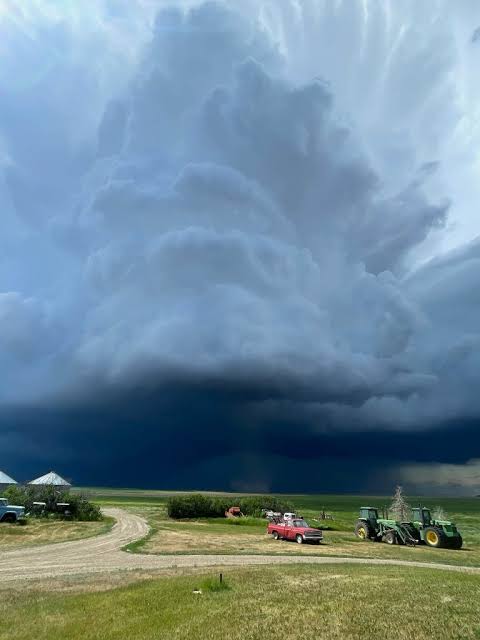
Residents across the Youngstown area were urged to take immediate shelter after the National Weather Service issued a tornado warning for portions of northeast Ohio as severe thunderstorms capable of producing a tornado moved through the Mahoning Valley.
The warning was issued as a powerful storm system tracked across the region, bringing the potential for tornadoes, damaging straight-line winds, large hail, torrential rainfall, and dangerous lightning. Emergency management officials closely monitored the storm while first responders remained on standby to respond to weather-related emergencies if needed.
Tornado Warning Issued for Youngstown Area
Weather officials warned that the storm exhibited characteristics capable of producing a tornado, prompting residents within the warning area to move to sturdy shelter immediately.
A tornado warning means that either a tornado has been sighted or weather radar indicates strong rotation capable of producing one. Residents were advised to take the warning seriously and seek shelter in a basement or an interior room on the lowest floor of a sturdy building, away from windows and exterior walls.
Meteorologists continued tracking the storm’s movement as it progressed across northeast Ohio.
Severe Weather Threats
In addition to the tornado threat, forecasters warned that the storm could produce several dangerous hazards, including:
-
Damaging straight-line winds capable of downing trees and power lines.
-
Large hail that could damage vehicles, roofs, and windows.
-
Torrential rainfall leading to localized flash flooding.
-
Frequent cloud-to-ground lightning.
-
Reduced visibility and hazardous travel conditions.
Officials cautioned that severe weather conditions could change rapidly and encouraged residents to remain alert throughout the event.
Potential Impacts Across Mahoning Valley
The severe thunderstorms raised concerns about several possible impacts across the Youngstown area, including:
-
Power outages caused by fallen trees or damaged utility lines.
-
Downed trees blocking roads and damaging property.
-
Localized flooding in low-lying and poor-drainage areas.
-
Travel delays due to heavy rain and debris.
-
Structural damage if a tornado were to develop.
Emergency management agencies continued coordinating with utility providers and local first responders to monitor conditions as the storms moved through the region.
Safety Tips During a Tornado Warning
Officials reminded residents to take immediate action whenever a tornado warning is issued.
Recommended safety precautions include:
-
Move to a basement, storm shelter, or an interior room on the lowest floor of a sturdy building.
-
Stay away from windows, doors, and exterior walls.
-
Monitor weather updates through NOAA Weather Radio, local broadcasters, or trusted weather apps.
-
Avoid unnecessary travel until the storm has passed.
-
Keep emergency supplies, flashlights, batteries, and charged mobile devices readily available.
Those driving when the warning was issued were encouraged to seek shelter in a substantial building rather than remaining inside their vehicles whenever it was safe to do so.
Weather Officials Continue Monitoring Conditions
The National Weather Service continued tracking storm development throughout northeast Ohio and indicated that additional watches or warnings could be issued if severe weather intensified.
Residents were encouraged to remain weather-aware even after the initial warning expired, as additional rounds of thunderstorms were possible.
Further Updates Expected
As the storms move out of the area, meteorologists will conduct storm surveys if necessary to determine whether any tornadoes touched down. Emergency officials will also assess reports of wind damage, hail, flooding, and power outages.
Additional updates will be provided as more information becomes available regarding storm impacts across Youngstown and the surrounding Mahoning Valley.
Disclaimer: This article is based on weather alerts and information available at the time of publication. Weather conditions can change rapidly, and forecasts or warnings may be updated by the National Weather Service as new information becomes available.